
[:en]Conversation with Nihon Michelin CEO [:ja]日本ミシュランタイヤCEOから学んだこと[:]
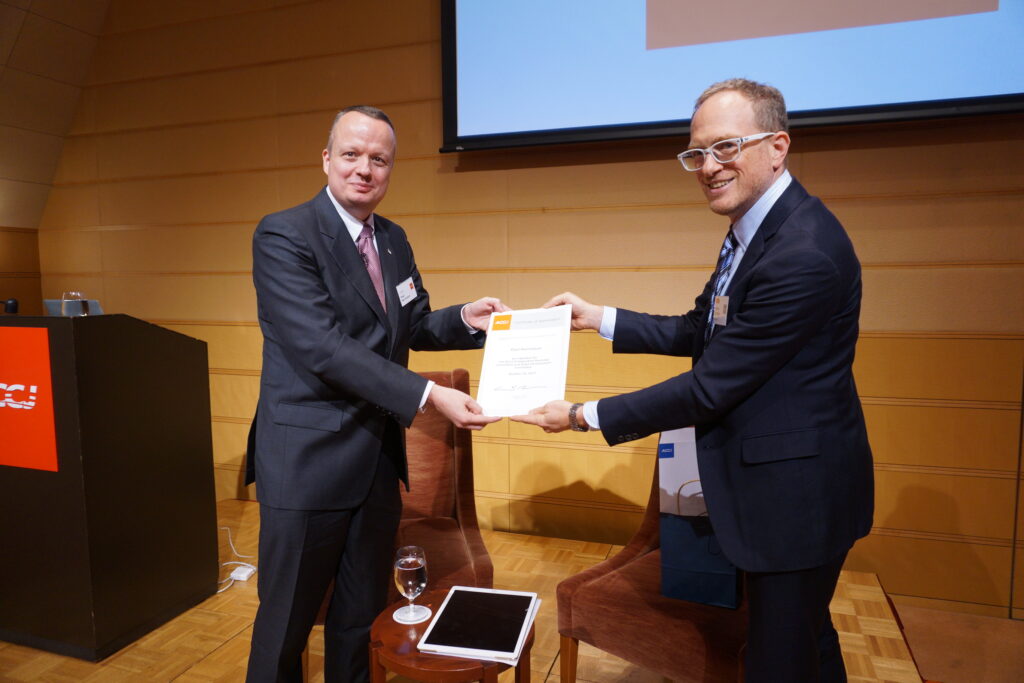
[:en]On October 19th, I conducted an on-stage conversation with Nihon Michelin CEO, Paul Perriniaux, at the Tokyo American Club for the American Chamber of Commerce in Japan and the French Chamber of Commerce. Here are a few of my takeaways.
[:en]Japan, Rotten to the Core? No.[:ja]日本の企業文化が芯まで腐敗しているというのは間違いである[:]

[:en]When you hear of malfeasance in American companies like Equifax, Wells Fargo, Valeant, Countrywide Financial and Washington Mutual of subprime mortgage crisis infamy, and even Enron, no one questions whether or not something is rotten in the whole of American corporate culture. So, why should we think differently when it comes to corporate malfeasance in Japan?
[:en]Leader Versus Minion Behaviors [:ja]リーダーとそうでない人との違い[:]

[:en]Who on your staff is leadership material, and who is…perhaps not? Forget personality profiling and engagement survey results. None of these tests have ever been scientifically validated, and can tell you as much about a candidate for a higher level of leadership as reading the entrails of a slaughtered chicken.
[:en]Big Consequences of Tolerating Small Infractions[:ja]たとえ小さくとも、違反は大きな影響を及ぼすもの[:]

[:en] Illicit and unethical behavior should never be tolerated, even if the impact is small. For example, if a manager is padding company expenses for personal gain, you really have no choice but to fire the manager, even if it is for less than a few hundred dollars per year. That can be a hard decision to make when the manager’s performance is high, such as a top salesperson, but it is the right decision. It is a matter of judgement and leadership of the manager rather than a cost-benefit analysis of the infraction.
[:en]Secret to Persuasive Strategy: To Persuade Others that you’re Right, Talk about why you might be Wrong[:ja]相手を説得する秘訣:自分の正当性を訴えたければ、逆に間違っている可能性を示唆すること[:]
[:en] All senior level executives and managers are asked to develop and present a strategy, whether global, regional, or simply for a domain that they oversee. Many create long slide presentations with lots of data to justify why the strategy is right, and feel they need to persuade others and convince them. Their arguments provide support for their conclusion. However, the most effective way to persuade others that your strategy is right is to talk about all the reason it might be wrong.
[:en]Pride and Confidence[:ja]プライドと自信[:]

[:en] The goal of every business is to create a customer, and its mission is to contribute to the society in which it serves. This is not about CSR or charity.
[:en]Invest Your Time with Your Best People[:ja]有能社員と無能社員。誰の為に時間を使うべきか。[:]
[:en]Let’s say that your company started a mentoring program as a part of corporate responsibility. Professionals like you from different different departments with varying expertise volunteer time to mentor a young person, say a high school student, a college student or maybe a young person who is out of school and working. There are more young people participating than volunteers to accommodate them. How do you select the young people to mentor? I asked this question to a group of Japanese managers at a Japanese company. Most wanted to be selective. Some said they might interview candidates to see who was the most motivated to learn, who had superior communication […]
[:en]Why Sales Leadership Is Critical For Success[:]
[:en] Steve shares his expertise on the area of time management within the sales leader’s role. He explains that investing time in the best sales person(s), will produce the greatest results overall. He also explains that in sales leadership, these three things are important to focus on: Keeping your sales team focused on the most important issues Working at making your best sales people even better Using your current sales leaders to help develop the next generation of sales leaders. Pitfalls are: Promoting the wrong people in to sales management Giving quota to sales managers Using sales managers to support weak sales people [:]
 Japanese
  English