
[:en]Sense, Not Sensitivity[:ja]文化に敏感になることではなく、文化センスメイキングが大切[:]

[:en]The greatest impediment to success in international business is cultural sensitivity. Yes, that’s right. Now take a moment to vent your outrage if you need to, and bear with me. It is not cultural sensitivity but rather cultural sense-making that you want, and these are not the same thing. Don’t get me wrong. I am no xenophobe. It is good to make yourself an expert in a foreign language or another country’s culture. However, there is a difference between using your expertise to adapt to the culture around you, as opposed to changing it.
[:en]Japan’s Generous Paternity Leave[:ja]日本の育児休暇の実態[:]

[:en]When a new father asks for paternity leave, a manager can become defensive, even though paternity leave as stipulated by Japanese government regulation is one of the most generous in the world, with up to a year’s leave if desired. Government regulation has achieved nothing in terms of healthy work style behaviors because regulation is not the root cause of excesses. Whether excessive overtime or forgoing paternity leave, the root cause is never because of government regulation or company policy. The root cause is always a deficit of leadership capability.
[:en]2018 Predictions [:ja]2018年を予測する[:]

[:en]I love making predictions, so here is my list of ten predictions for 2018.
[:en]Market Entry Manifesto[:ja]日本市場参入について[:]

[:en]Last week, a reporter from The Telegraph in the UK contacted me for my views on the challenges of market entry in Japan. My market entry manifesto is below:
[:en]Identify Cause. Never Presume. [:ja]大切なのは原因を突き止めること。仮定はすべからず。[:]

[:en] The CEO of a well-known US company in Japan contacted me recently to ask whether I thought flatter organizational structures are better than more hierarchical ones. He learned that vital information from the ranks was not getting to him fast enough and thought that a flatter structure might resolve the problem. He was, in fact, asking the wrong question, because his question presumes cause is organizational structure, whereas it might not be.
Mitsubishi vs. Japanese Culture
[:en] In light of the recent Mitsubishi scandal, Bloomberg invited me back to discuss Japanese corporate culture and whether or not Japan is to blame for the recent scandal. You can watch our discussion in the video above. If you’d prefer to read this interview, the following transcript has been provided by Bloomberg:
[:en]Conversation with Barilla Japan CEO [:ja]バリラジャパンCEOアントニー・ストリアネーゼから学んだこと[:]
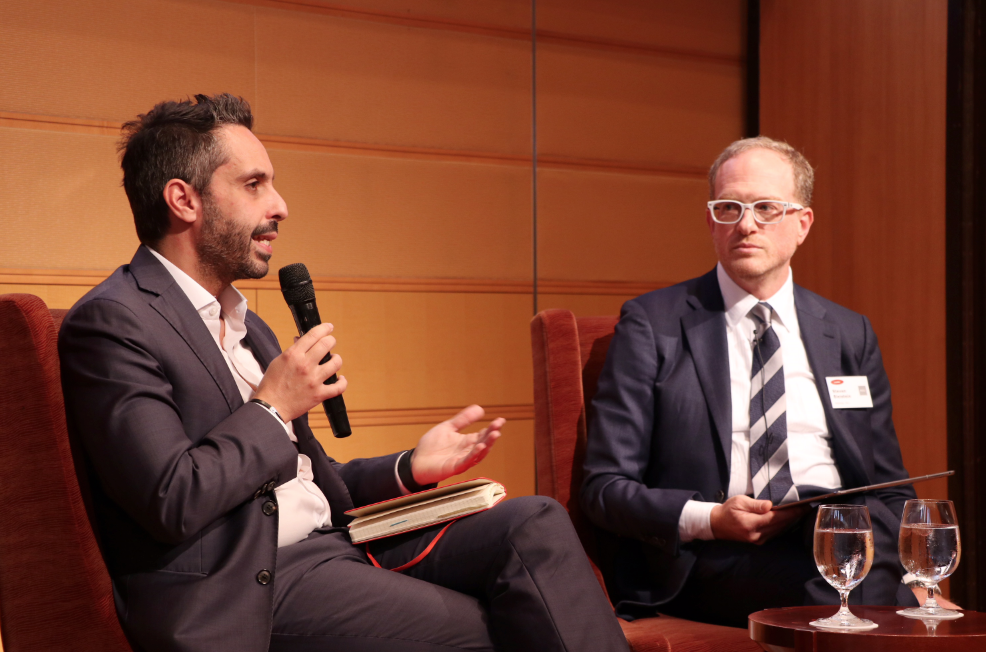
[:en]I conducted an onstage conversation with Barilla Japan CEO, Antony Strianese. Here are my takeaways.
[:en]Conversation with Nihon Michelin CEO [:ja]日本ミシュランタイヤCEOから学んだこと[:]
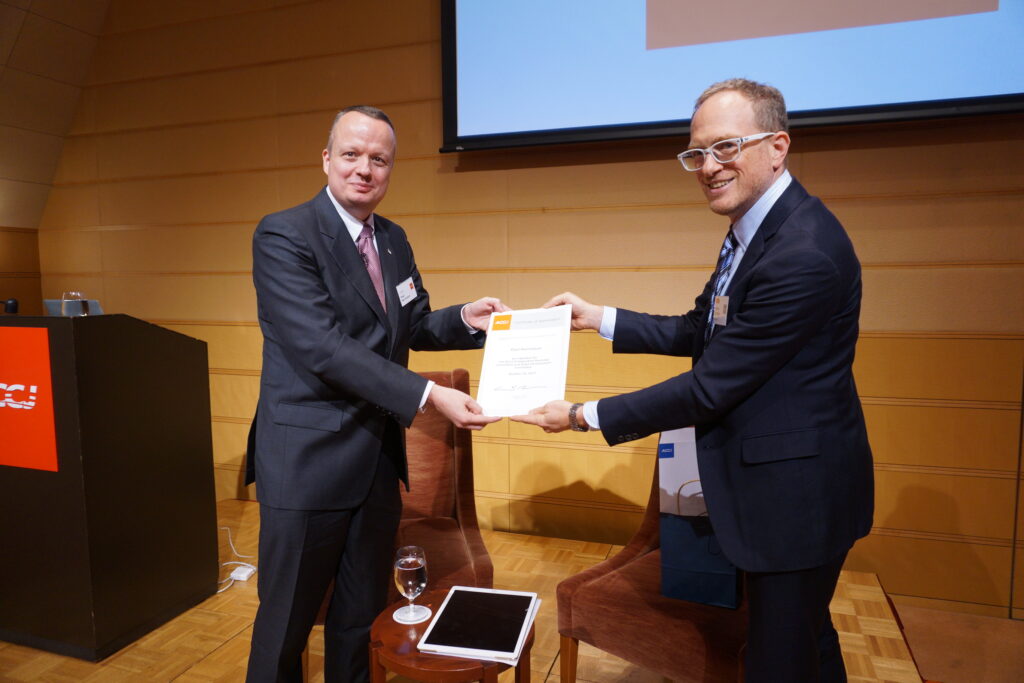
[:en]On October 19th, I conducted an on-stage conversation with Nihon Michelin CEO, Paul Perriniaux, at the Tokyo American Club for the American Chamber of Commerce in Japan and the French Chamber of Commerce. Here are a few of my takeaways.
[:en]It’s Never Because “This is Japan”[:ja]日本が企業問題の原因であることはない[:]

[:en]Address real root cause, and you can accelerate change in your business. Blame your ailments on Japan, and you will remain permanently stuck. It’s up to you. What is it about Japan that makes companies as they are? Below are a few statements from a company manager, many of which you might find familiar in your own experience in Japan.
[:en]Conversation with BMW Japan CEO[:ja]BMWジャパン代表取締役社長のインタビューから学んだこと[:]
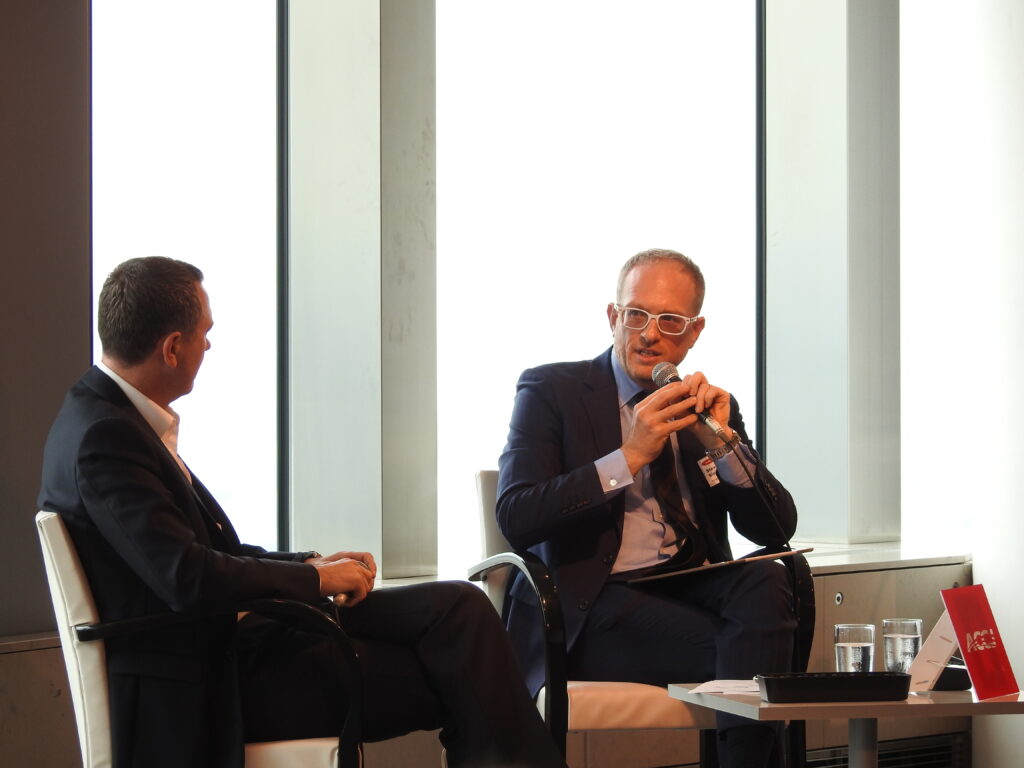
[:en]On September 22nd, I conducted an on-stage conversation with BMW Group Japan CEO Peter Kronschnabl. This event, co-hosted by the American and German Chambers of Commerce, was attended by over one-hundred people on the fifty-first floor of Tokyo’s posh Roppongi Hills Club. While this event was off-the-record, I enumerate nine of my personal takeaways below from the conversation with the insightful, innovative and consummate international business leader, Peter Kronschnabl.
 Japanese
  English